
Water Extraction & Emergency Water Removal in Seattle
Family-owned since 2015, Encore Construction provides water extraction services for Seattle homes and businesses. Standing water after a burst water pipe or appliance leak needs prompt attention. Call our 24/7 emergency line to discuss the loss and arrange a free initial restoration assessment.
One company can coordinate mitigation, contents handling and reconstruction after the scope is assessed and authorized.
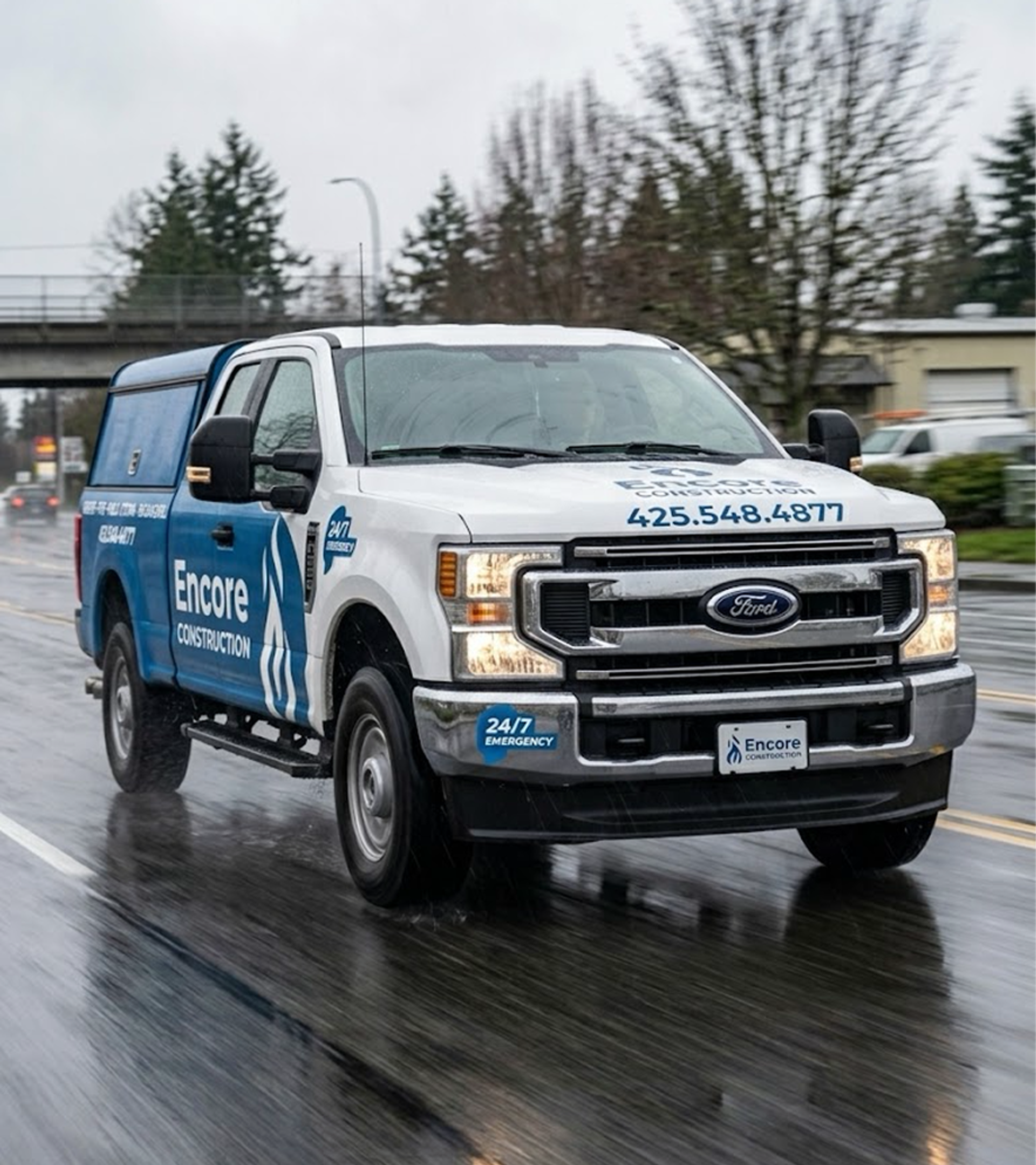
Standing water and the risk of further water damage
Water extraction is the process of removing visible water and standing water from a property after a leak or flood. Common sources include a burst water pipe, plumbing leaks and appliance failures. Tell the project manager whether the source has stopped, which rooms are affected and whether water is still entering.
Removing visible water is the first step toward stopping secondary damage and reducing the risk of mold growth. It is not the whole restoration process.
Water may spread beneath flooring or into wall cavities. A surface that looks dry can still have wet material underneath. Acting quickly can help limit extensive damage and costly repairs, but extraction alone cannot guarantee that every material will be saved.
Scope of our water extraction work
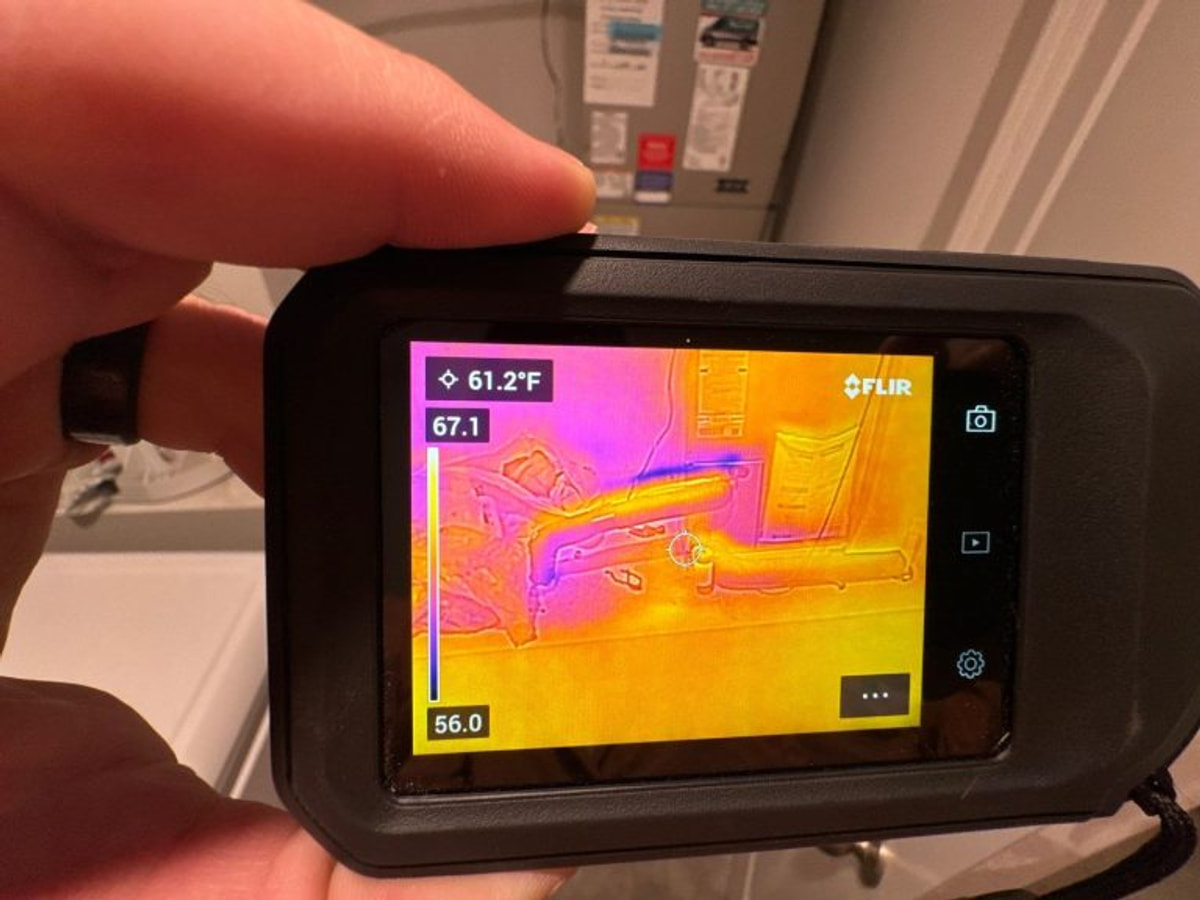
Assessment
Project-manager assessment documents the loss, measures moisture with instruments, photographs conditions, and discusses safe access and any hazards before extraction begins.
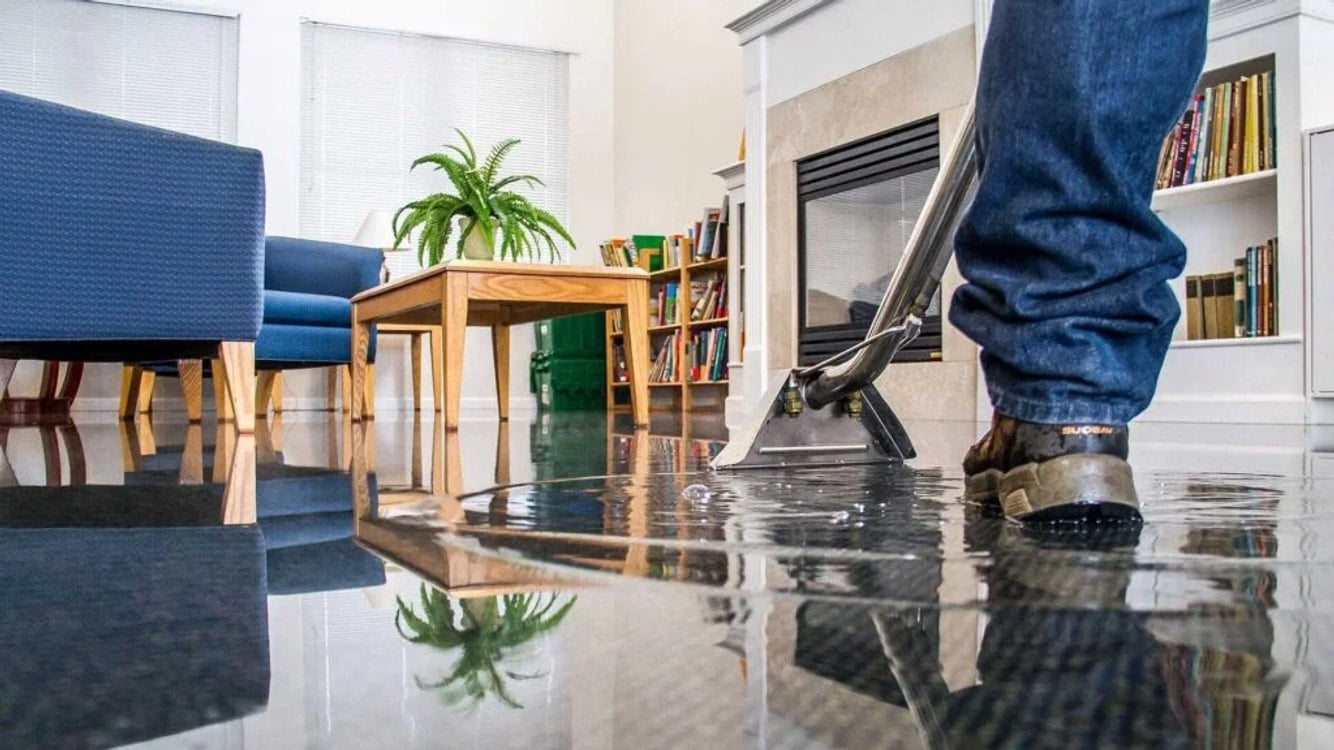
Removing water
Professional methods can include pumps, submersible pumps and vacuum extraction tools, selected for the amount of water and safe access. The project manager confirms the approach for your home or property; the equipment and work required depend on the loss.
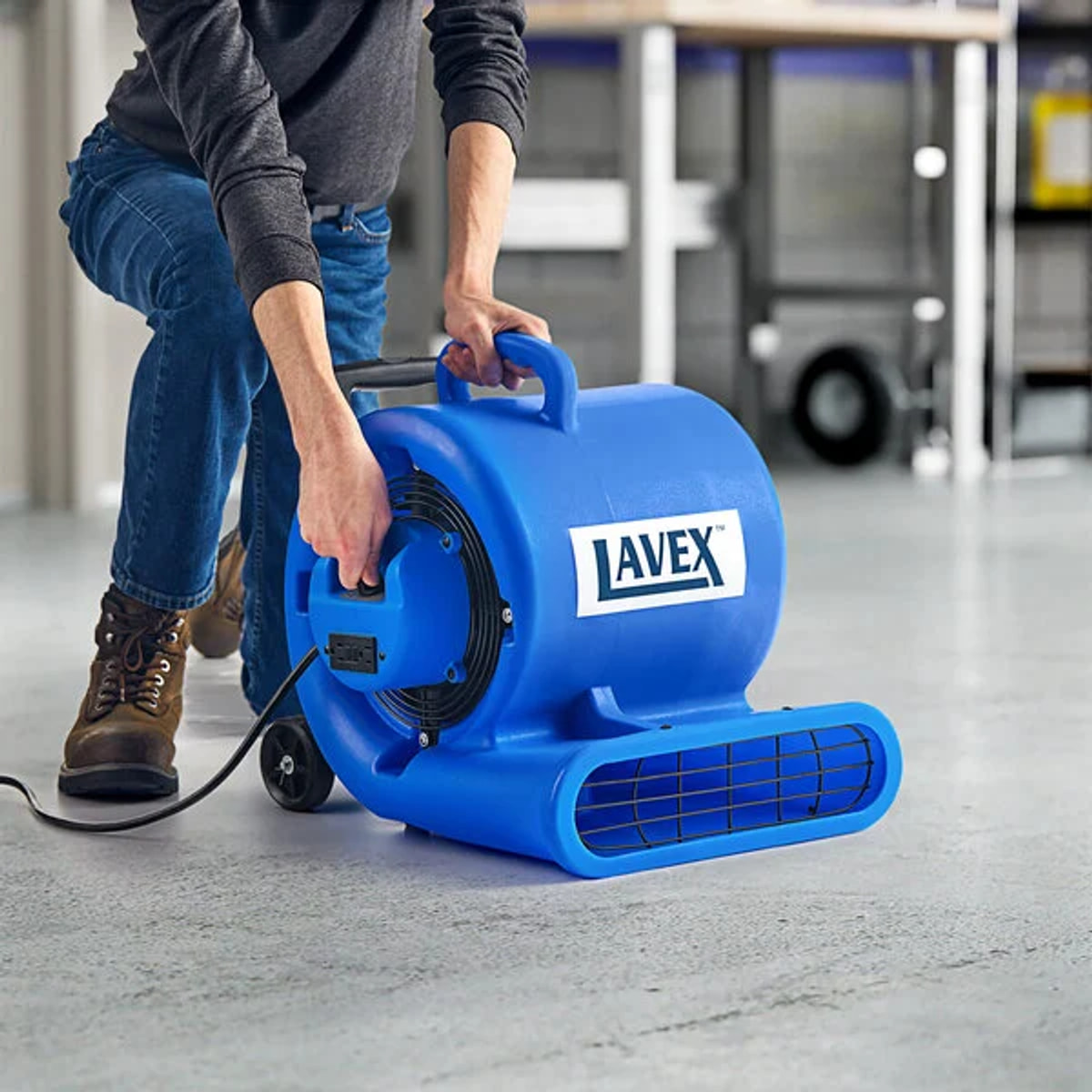
Transition to drying
After visible water is removed, we set a drying plan using air movers and dehumidifiers and continue moisture monitoring to verify materials are drying.
Equipment placement and moisture readings guide the drying plan. A surface that looks dry may still have moisture underneath.
How does water extraction work?
Loss and safety information
Share the source, affected rooms and known safety hazards from a safe location. Stay away from possible electrical, sewage and structural hazards. Call emergency services for immediate danger.
Project-manager assessment & authorization
The project manager assesses access, documents the loss, takes moisture readings and photos, and confirms the scope and authorization before work begins.
Extraction
The agreed extraction work removes accessible water using methods suited to the space and contamination risk. The scope also addresses handling of the extracted water; do not drain it into unaffected rooms or shared areas.
Moisture review and next steps
We recheck moisture readings, record the results, and agree on the drying plan and any required mitigation, contents handling, or reconstruction.
Water extraction, water mitigation and the restoration process
Visible-water removal does not prove materials are dry. The table below outlines how extraction fits into the broader restoration process.
| Step | Primary focus | Typical result |
|---|---|---|
| Extraction | Remove standing and visible water | Lower water level, reduce immediate damage |
| Mitigation | Dry materials and limit secondary damage | Moisture reduction with air movers/dehumidifiers and monitoring |
| Restoration | Repair or replace damaged materials | Return the property to pre-loss condition as agreed in scope |
Removing standing water does not mean the property is dry. Moisture readings guide the drying plan and help determine when affected materials are ready for repair.
Cost factors and duration
Cost and time for water extraction depend on the amount of water, accessibility, the affected materials, and any hazards that require special handling. Insurance coverage is determined by your insurer; Encore documents the loss and provides an estimate and supporting records.
Active drying of ordinary water-loss situations often takes 3–5 days for drying equipment to lower moisture in typical materials, but that is not a guarantee of project completion or final repair timing.
As a homeowner or property manager, ask what the estimate includes: assessment, extraction, equipment use, monitoring, contents handling and any proposed removal of damaged materials. Confirm which repairs are separate and how changes to the scope will be documented. An estimate for extraction is not automatically an estimate to restore your home after all damage.
Safety guidance
Stay out of flooded basements and areas with possible electrical, sewage or structural hazards. If there is immediate danger, call emergency services first.
Do not try to remove water from your home with a household vacuum. A professional wet vacuum or other extraction equipment is selected only after safety and contamination have been assessed. A sewage backup requires different precautions from a clean supply-line leak; tell the team about suspected contamination before work starts.
About Encore Construction
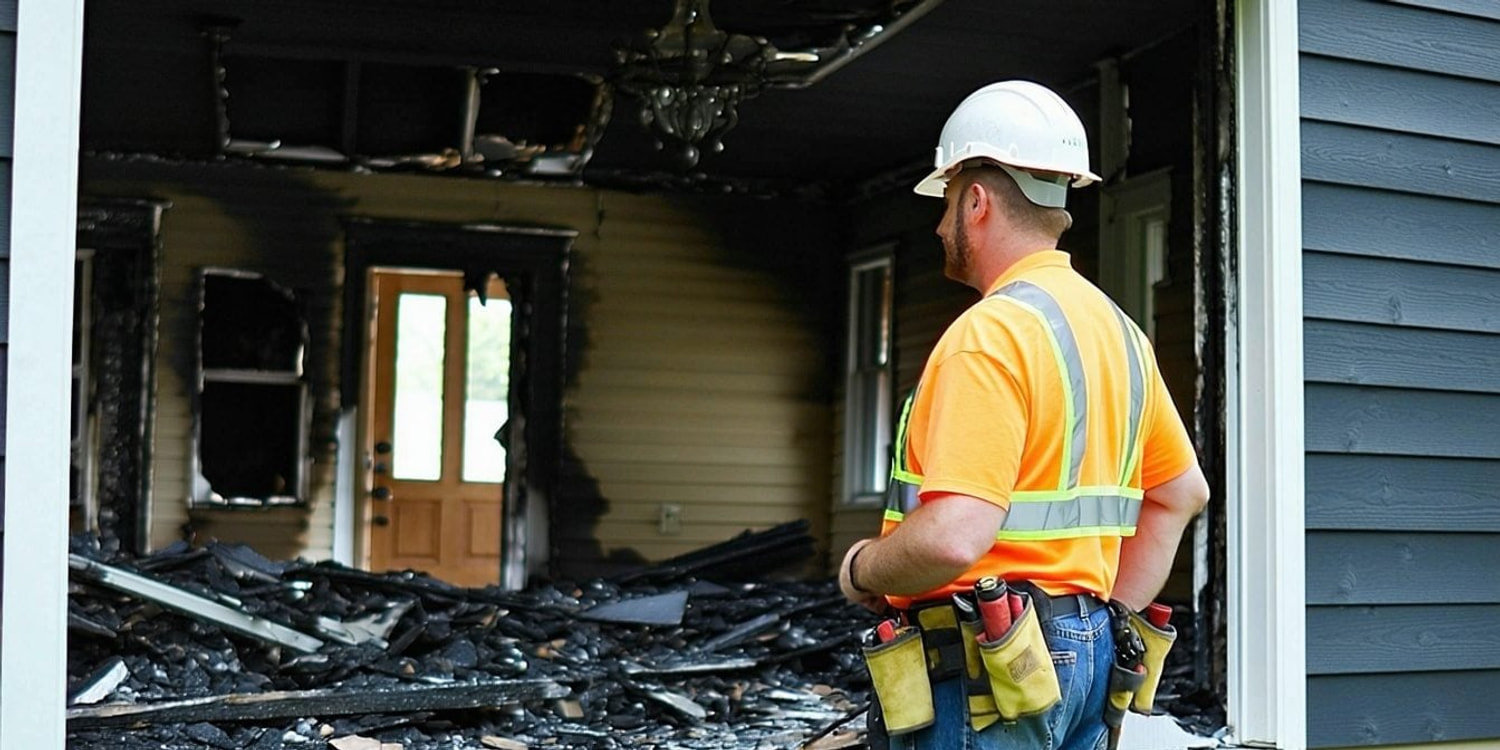
Family-owned since 2015, Encore Construction offers residential and commercial water damage restoration services with emergency response 24/7/365. Our main base and warehouse are in Arlington with an additional Seattle office at 221 1st Ave W STE 200, Seattle WA 98119. We provide a free initial restoration assessment and estimate.
A single company can coordinate mitigation, contents handling and storage, and reconstruction, though some projects require specialist trades. The project manager discusses loss, access, moisture readings, measurements, photos, scope, and authorization with property owners and insurers.
Frequently asked questions
What is water extraction?
Water extraction is the removal of visible and standing water from a property after a leak or flood. It is the first step to prevent further damage and prepare for drying and repair.
What equipment is used?
Pumps, submersible pumps, and vacuum extraction tools are commonly used to remove water. Air movers and dehumidifiers are used afterward to dry materials. Equipment is selected based on amount of water and safe access.
How much does extraction cost?
Costs vary with water amount, access, affected materials, and hazards. Encore provides a free initial assessment and estimate so you can see the documented scope before work begins.
How long does extraction take?
Extraction time depends on the volume of standing water, access and contamination. Your project manager will estimate that stage after the assessment. Drying and repairs follow on their own schedules.
Is extraction the same as mitigation?
Extraction removes standing water. Mitigation includes drying, moisture monitoring, and steps to prevent secondary damage. Both are parts of the water mitigation process.
What happens after extraction?
We take moisture readings, document conditions, and agree on drying and any needed mitigation, contents handling, or reconstruction. Not every item or material can necessarily be saved.
Residual dampness can lead to mold growth, which is why the next step is moisture review and a drying plan. Removing visible water does not prove that a wall cavity, carpet backing or subfloor is dry. The aim is to reduce conditions that support mold, without promising that extraction will prevent mold in every case.
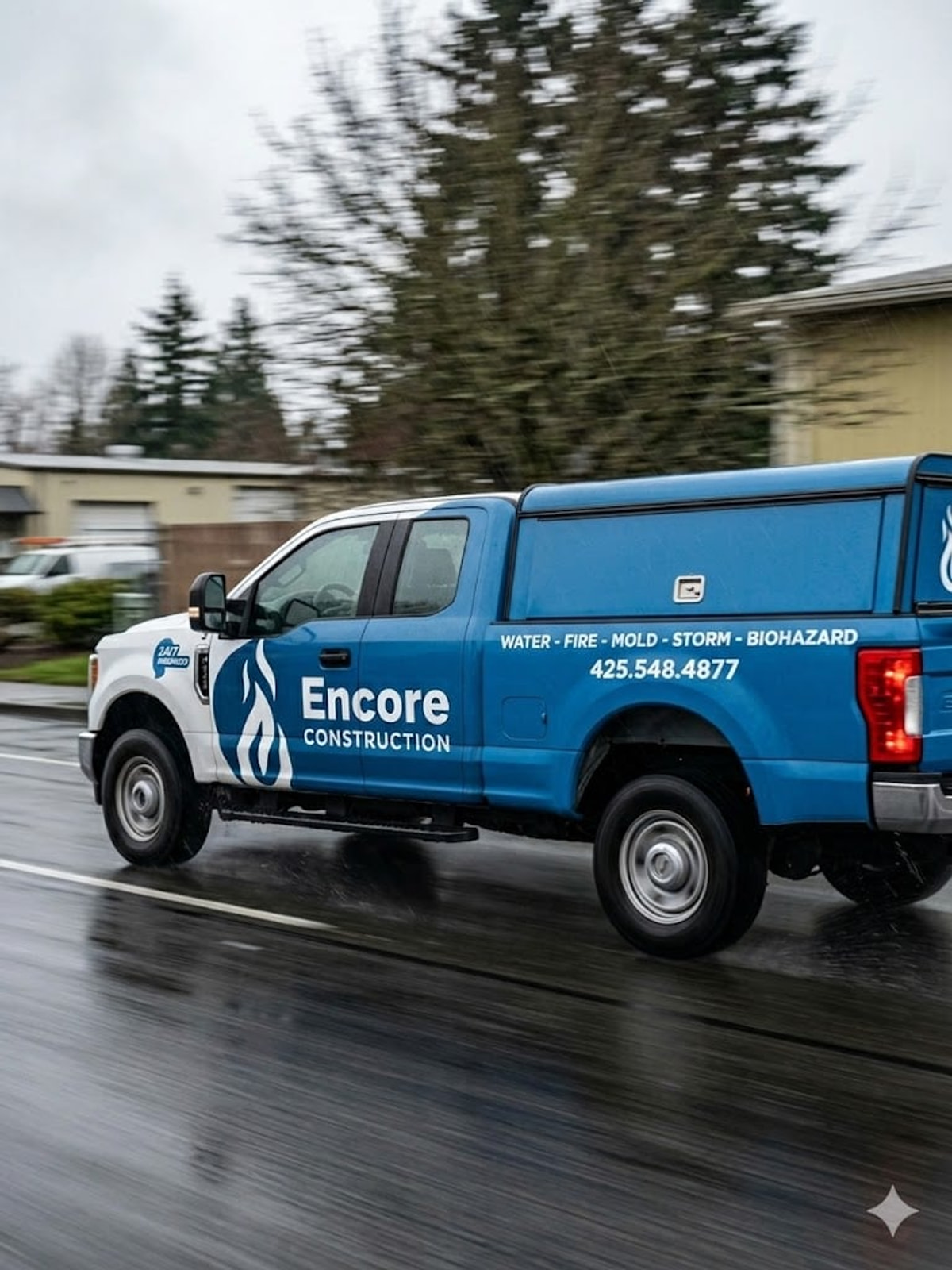
Contact for a free assessment
Phone: 425-548-4877
We offer a free initial restoration assessment and estimate. The project manager will review loss details, access, moisture readings, measurements, photos, scope, and authorization during the assessment.