
Water Mitigation & Cleanup in Seattle, WA
Encore Construction provides water mitigation for homes and businesses across Seattle and the surrounding Seattle metro area. We help limit further damage to your property, remove excess water and manage drying before repairs. For emergency water damage, call 425-548-4877.
Request an assessment · Call 425-548-4877
Family-owned since 2015, we offer a free initial restoration assessment and estimate and emergency service around the clock, 365 days a year.
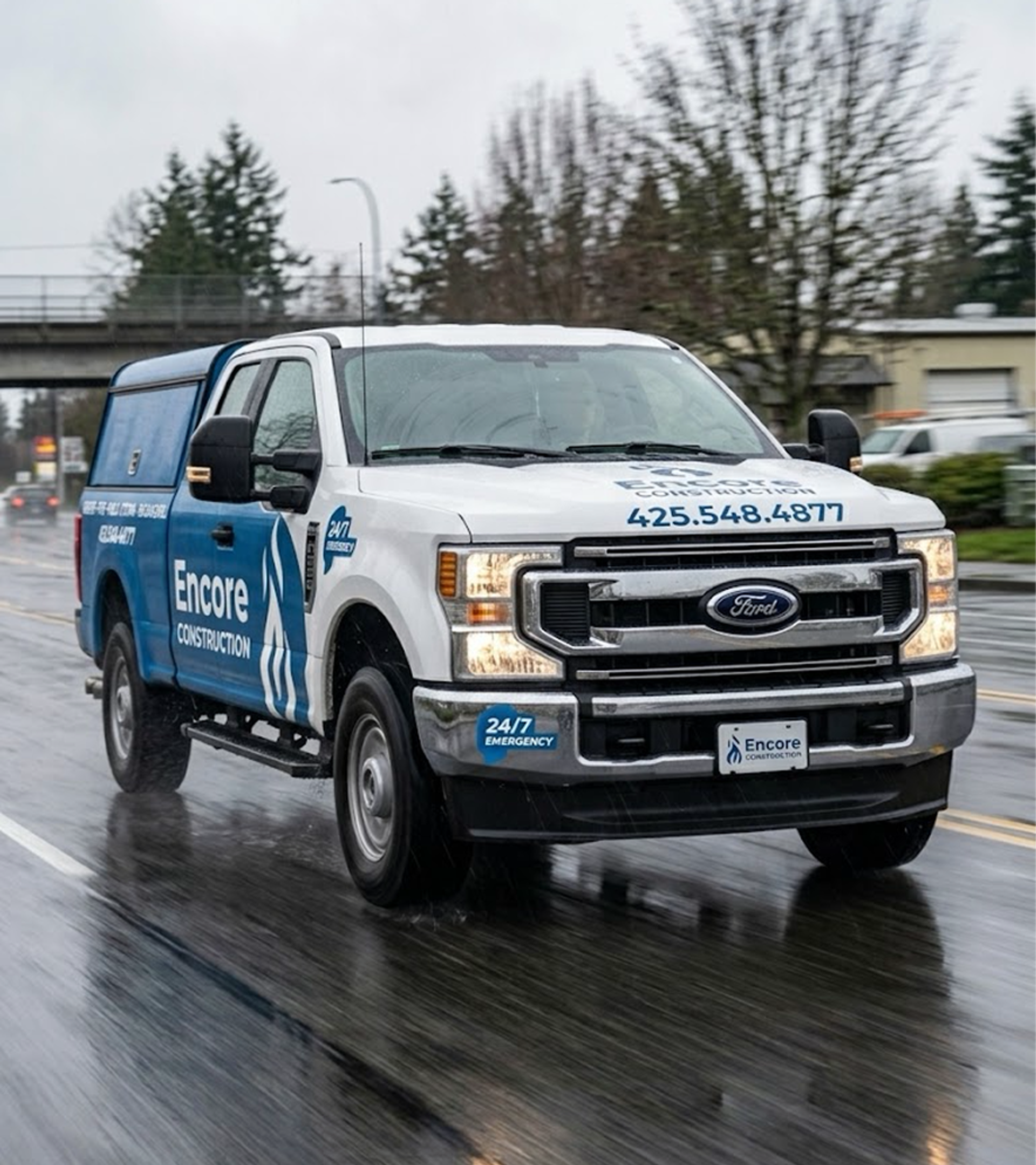
When water damage needs mitigation
Water mitigation is needed when a leak or overflow leaves standing water or damp building materials. Early assessment helps identify the source, hidden moisture and what must be dried or removed.
Burst pipe or supply-line leak
Rapid water flow from a broken pipe can saturate materials and cavities; mitigation limits structural spread and documents conditions.
Appliance overflow or failed connection
Washing machine, water heater, or dishwasher overflows can deposit water across floors and into concealed spaces needing extraction.
Wet floors and walls after a leak
Visible moisture on flooring or drywall often means retained water in subfloors and wall cavities that require drying and monitoring.
Water reaching hidden spaces
Water in baseboards, cavities, insulation, or under cabinets increases mold risk and must be assessed with moisture detection equipment.
These observations are practical indicators, not definitive diagnoses. For safety, avoid standing in water near electrical equipment and wait for technicians if hazards exist.
Different types of water damage need different handling. A supply-line water leak, storm flooding and sewage cleanup involve different sources and potential contaminants, so we assess the cause of damage before agreeing on cleaning and restoration work.
Seattle water damage cleanup: what mitigation covers
Mitigation combines moisture assessment, water extraction and controlled drying. The agreed scope depends on water source, contamination and the condition of affected materials.
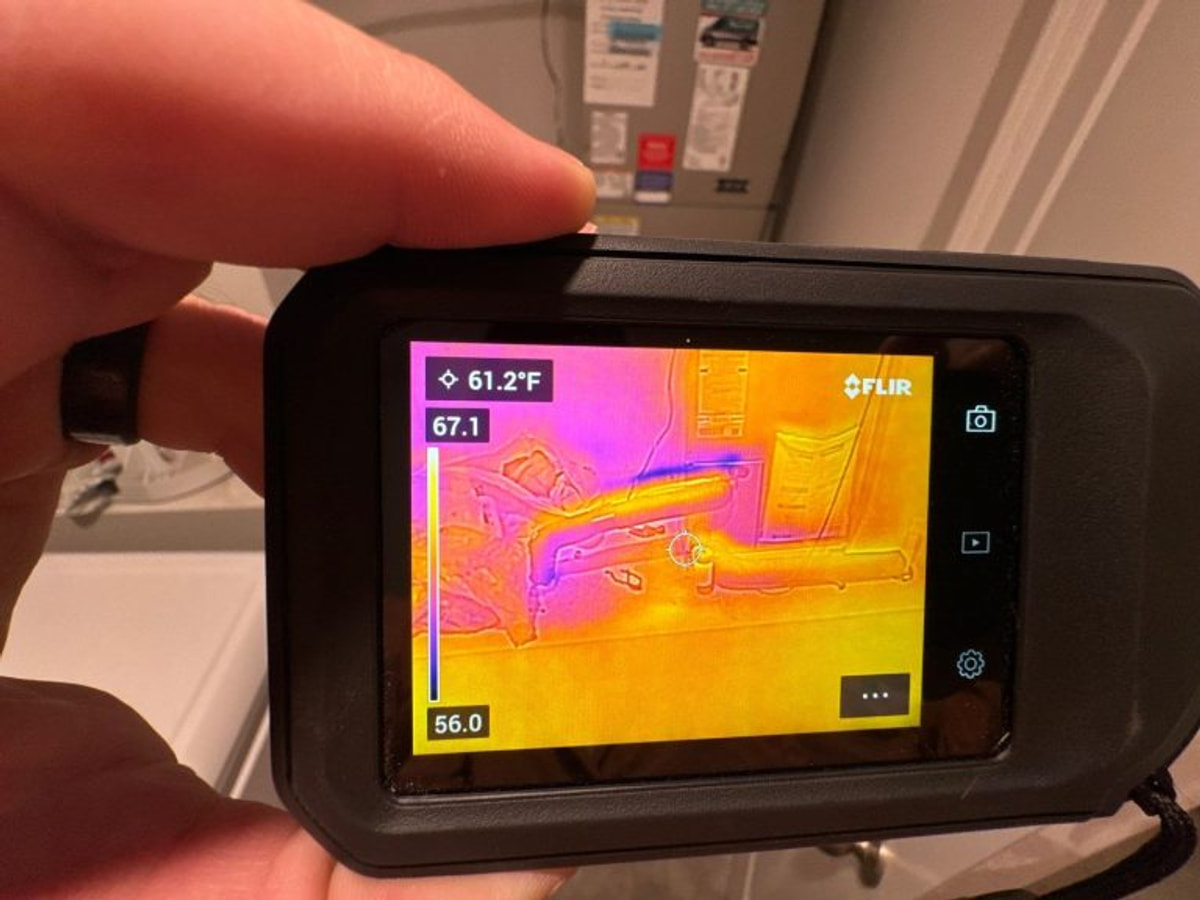
Moisture assessment and documentation
Technicians record loss history, measure moisture with detection equipment, photograph conditions, and create a documented scope to support repairs and insurance claims.
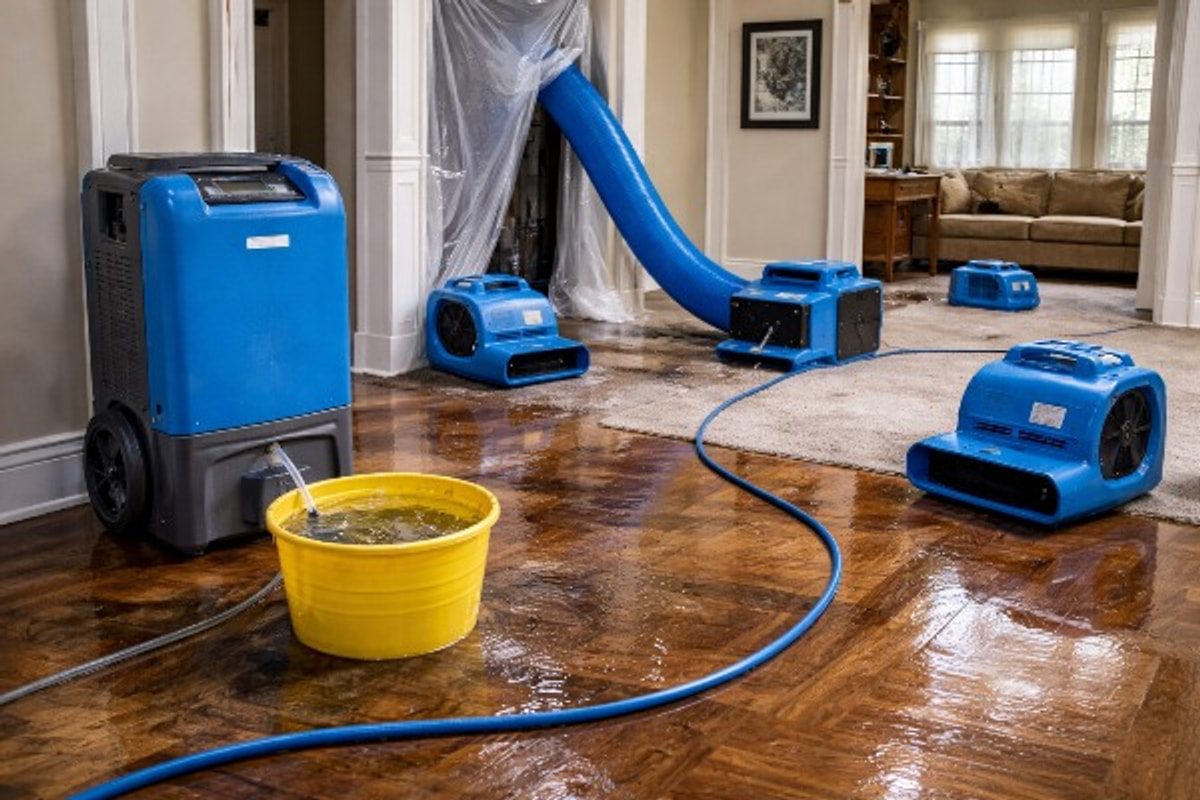
Emergency water removal
Removal of standing and pooled water through water extraction and controlled disposal to limit ongoing deterioration and contaminant spread.
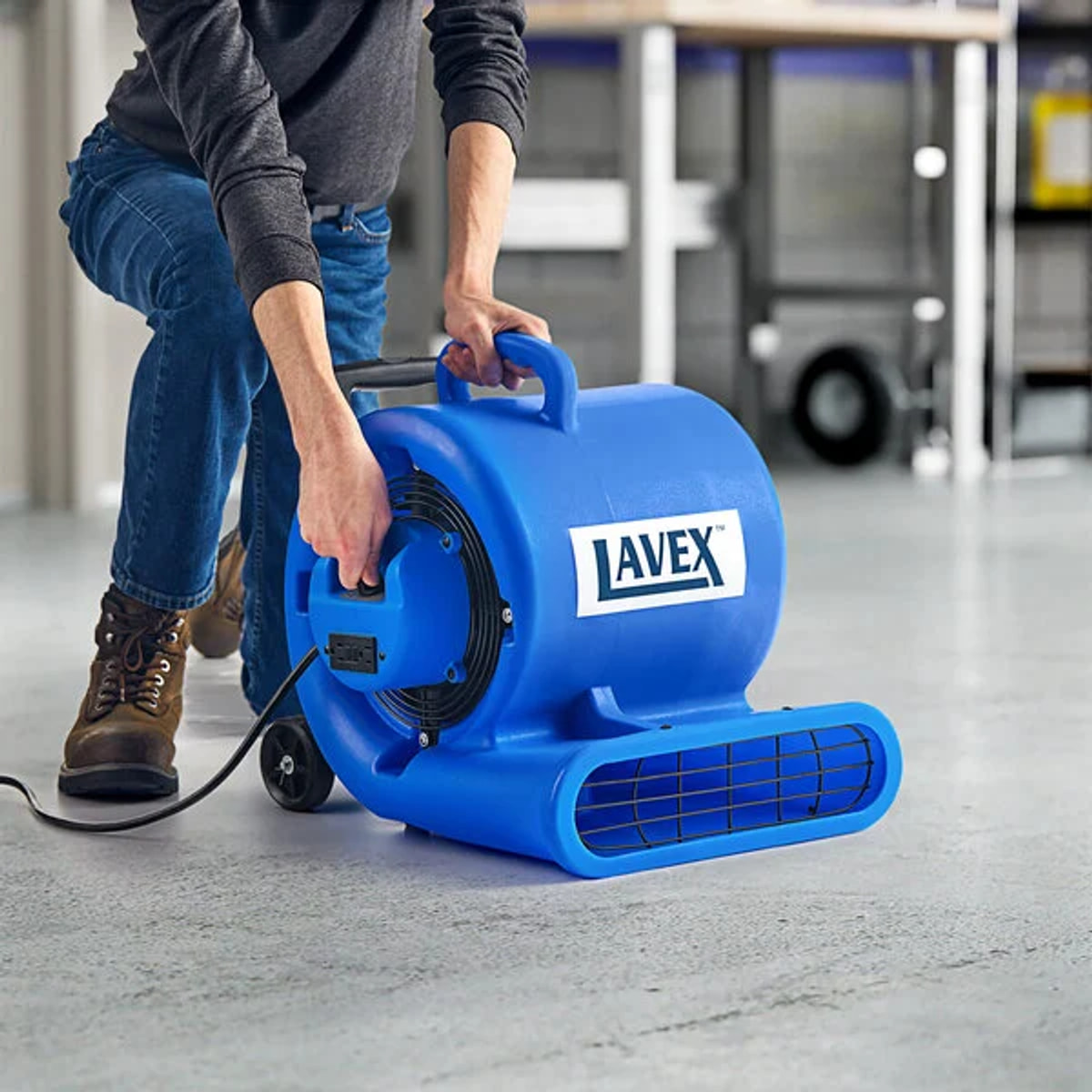
Structural drying and dehumidification
Targeted drying using air movers and dehumidifiers reduces retained moisture in building materials; the final decision on removal vs. retention depends on readings and material condition.
Scope, contamination concerns, and material condition determine mitigation actions; unknown or sewage-contaminated water requires specialist handling rather than homeowner DIY.
Removing visible water does not stop an active leak. A plumber or another appropriate trade may need to stop the source before drying can succeed. If damp materials are left untreated, mold growth can become a separate remediation concern.
Our water mitigation process
We assess the loss, agree the work with you, remove water and monitor drying before planning repairs. Moisture readings guide each stage.
1. Assessing the damage
A project manager asks about the loss, inspects accessible areas, records readings and photos, and outlines the proposed mitigation scope for approval.
2. Agree scope and protect contents
Work begins after authorization. We move or protect contents as agreed and can arrange storage at our Arlington base while affected areas are restored.
3. Remove water and manage drying
Technicians remove excess water and set up drying equipment according to the agreed plan. Repeat moisture readings guide adjustments to humidity control and airflow.
4. Review moisture and plan repairs
We log readings and photos during drying, confirm when agreed targets are reached, and document remaining repairs or reconstruction to move into water damage repair.
During water cleanup, our team documents moisture readings and changes to the affected area. Those records help property owners understand the extent of the damage and why the drying or repair scope may need to change.
Water mitigation and water damage restoration in Seattle
Mitigation limits ongoing damage; restoration includes the later repairs needed to bring the affected space back into use. Water removal is one step in that wider process.
| Part of the process | Purpose | Next decision |
|---|---|---|
| Extraction — part of mitigation | Remove standing water using methods suited to access and contamination. | Check retained moisture and the condition of affected materials. |
| Drying and monitoring — part of mitigation | Reduce retained moisture and track progress. | Determine whether materials can be retained or require removal. |
| Repairs and reconstruction | Repair or replace damaged materials after drying and authorization. | Agree on the repair scope, materials and schedule. |
Mitigation addresses immediate damage, while repairs follow once the drying plan and repair scope are agreed. Learn more about our water damage restoration in Seattle.
Water mitigation cost and drying time
Mitigation costs vary; Encore Construction provides a free initial estimate after assessment.
- Area and materials affected: larger or multi-layer assemblies raise equipment and labor needs.
- Water source and contamination: clean water vs. unknown or sewage-contaminated water changes required handling and disposal.
- Access and hidden moisture: difficult access or cavities increase detection and remediation work.
- Equipment duration and repair scope: longer drying and follow-up reconstruction increase total cost.
Typical active drying for ordinary water losses often takes 3–5 days; actual drying time depends on scope, substrate and moisture readings and may be longer. Photos, readings and work records support insurance claims, but insurers determine coverage.
Mitigation and total restoration costs are different: drying equipment may be removed before replacement flooring or other repairs are complete. Ask which tasks are included in the estimate and which decisions remain open before authorizing work to restore your property.
Before the restoration team arrives
Keep people away from wet electrical areas and unknown water. Describe the damage by phone and document it only from a safe location.
Stay away from wet electrical equipment
Do not enter standing water to reach a breaker or use electrical equipment in standing water; a qualified electrician should assess wet electrical systems. See CDC guidance: Protect yourself from electrical hazards.
Avoid handling unknown water or sewage
Unknown or contaminated water requires professional mitigation; do not attempt cleanup without assessment and protective measures.
Record the damage from a safe location
Take photos and notes where it is safe to do so; these help the project manager and your insurance documentation.
Describe source and access by phone
When you call, tell the project manager what started the leak, where water is visible, and any hazards to speed assessment and planning.
Do not use household electrical equipment in standing water or direct fans over suspected contaminated water. Leave structural or cavity drying to the assessed restoration plan.
Seattle water damage restoration services
Encore Construction is a family-owned, residential and commercial water damage restoration company established in 2015. A project manager coordinates mitigation, contents handling and reconstruction where agreed, providing documented readings and photos to support the claims process.
Our main base and contents storage are in Arlington. Our additional Seattle office is at 221 1st Ave W STE 200, Seattle, WA 98119. We serve Seattle, Bellevue and Everett across King and Snohomish counties, with service also available in Island, Skagit and Whatcom counties.
Emergency service is available 24/7, 365 days a year; call 425-548-4877 for emergency water mitigation.
Residential water damage
For a homeowner, the first questions are which rooms are affected, whether belongings need moving and how drying will affect access. The residential water damage restoration process begins with these details; point out a basement, crawl space or room below the leak even if the surface looks dry.
Commercial properties
For a business, tell us about tenant access, operating hours and equipment near the affected area. The emergency response plan should account for access restrictions and the agreed work area before cleanup begins.
Frequently asked questions about water mitigation
Drying time, access restrictions and material decisions depend on the loss. These answers explain what to discuss during the initial assessment.
How is mitigation different from water damage restoration?
Mitigation stops ongoing damage, extracts water and dries materials. Water damage restoration includes reconstruction and repairs after agreed drying and scope are complete.
Can water remain after the floor looks dry?
Yes. Surface dryness doesn’t show moisture inside subfloors, wall cavities, or insulation; moisture readings determine remaining dampness and drying needs.
How long will equipment run?
Equipment often runs several days; typical active drying is 3–5 days for ordinary losses, but duration depends on materials, access and moisture targets.
Does insurance cover mitigation?
Photos and records support claims, but coverage is determined by your insurer and policy. Encore provides documentation; we cannot promise coverage, payment, or out-of-pocket amounts.
Can I stay in my home or business during mitigation?
Whether you can remain depends on electrical safety, contamination, access and the work area. Discuss restrictions with the project manager; wet electrical systems and structural concerns may need assessment by the appropriate specialist.
Do damaged materials always need removal?
Moisture readings, material condition and contamination determine whether materials can be dried in place. Damaged or contaminated porous materials may need removal; the scope is agreed before that work begins.
Request water mitigation in Seattle
For emergency water mitigation, call 425-548-4877. Tell us where the water is, when you noticed it and whether the source is still active. We will discuss access and arrange a free initial assessment.