Contaminated Materials and Damage Repair
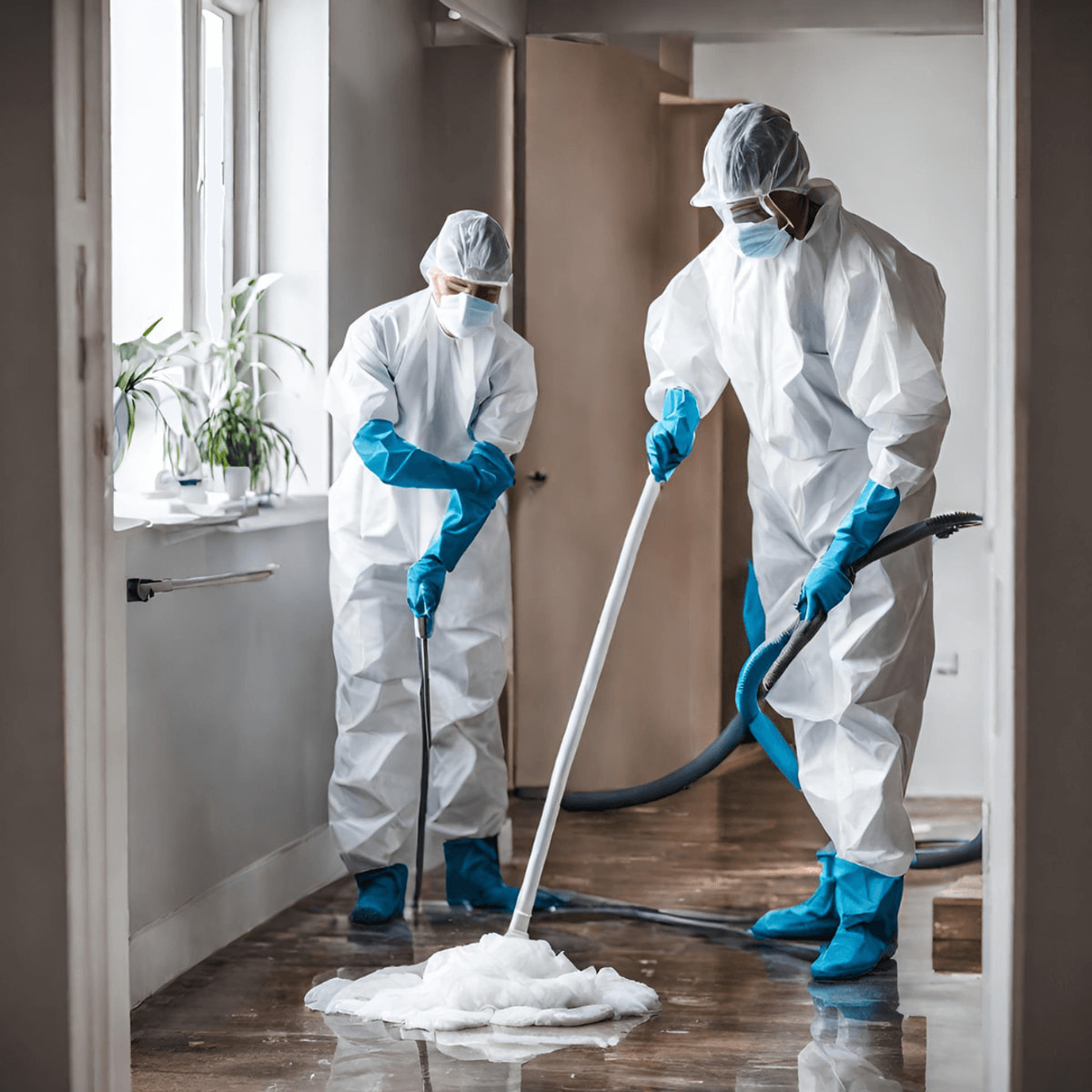
Sewage contamination requires an item-by-item assessment. Non-porous surfaces, such as tile or sealed concrete, can often be cleaned and sanitized, while porous materials like drywall, insulation, and carpet padding may require removal. Contents are evaluated individually to determine whether they can be cleaned and salvaged. Some textiles, electronics, and artwork may not be recoverable.
| Material | Typical Cleanup Decision | Potential Repair Needs |
|---|
| Sealed tile or non-porous flooring | Clean and sanitize where appropriate | Grout or seal repairs, if needed |
|---|
| Carpet and padding | Assess for contamination and removal | Flooring replacement and subfloor assessment |
|---|
| Drywall and fibrous insulation | Remove when contaminated and unsuitable for cleaning | Drywall replacement and framing repairs, if needed |
|---|
| Furniture and textiles | Inventory and assess for cleaning and salvage | Specialized restoration or replacement |
|---|
Drying After Sewage Cleanup
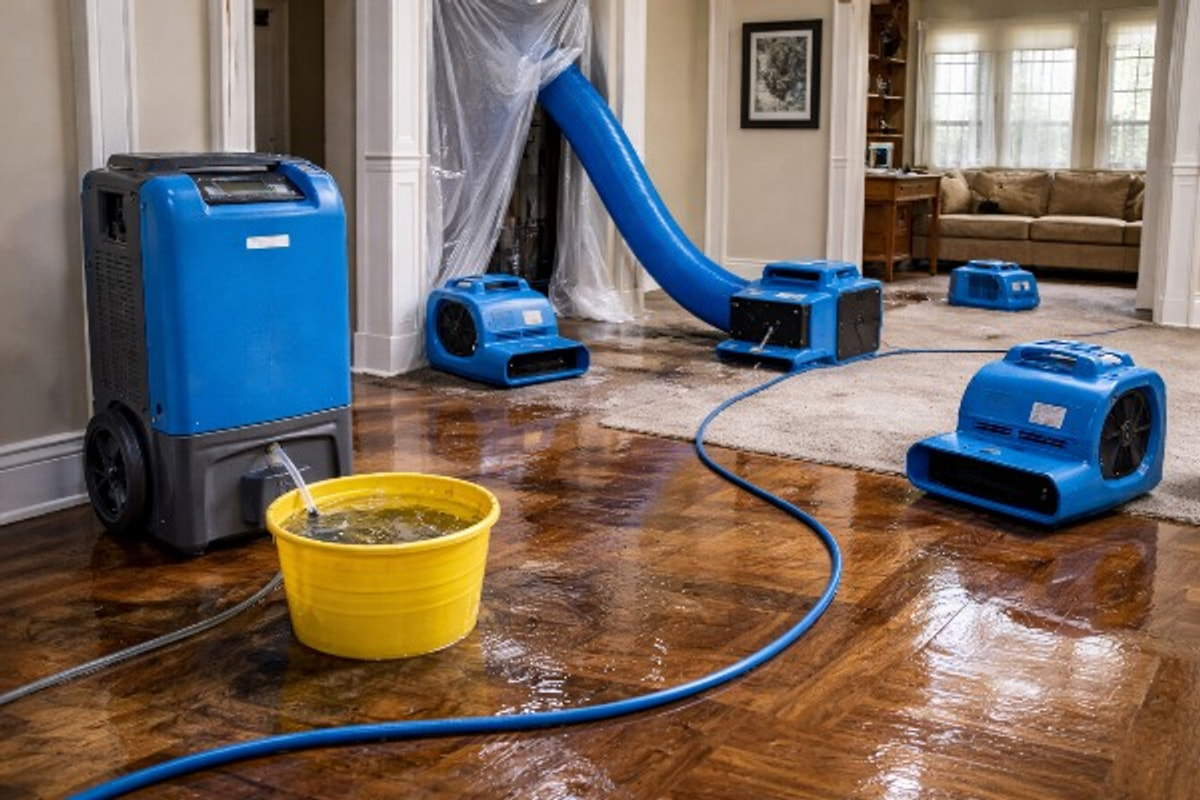
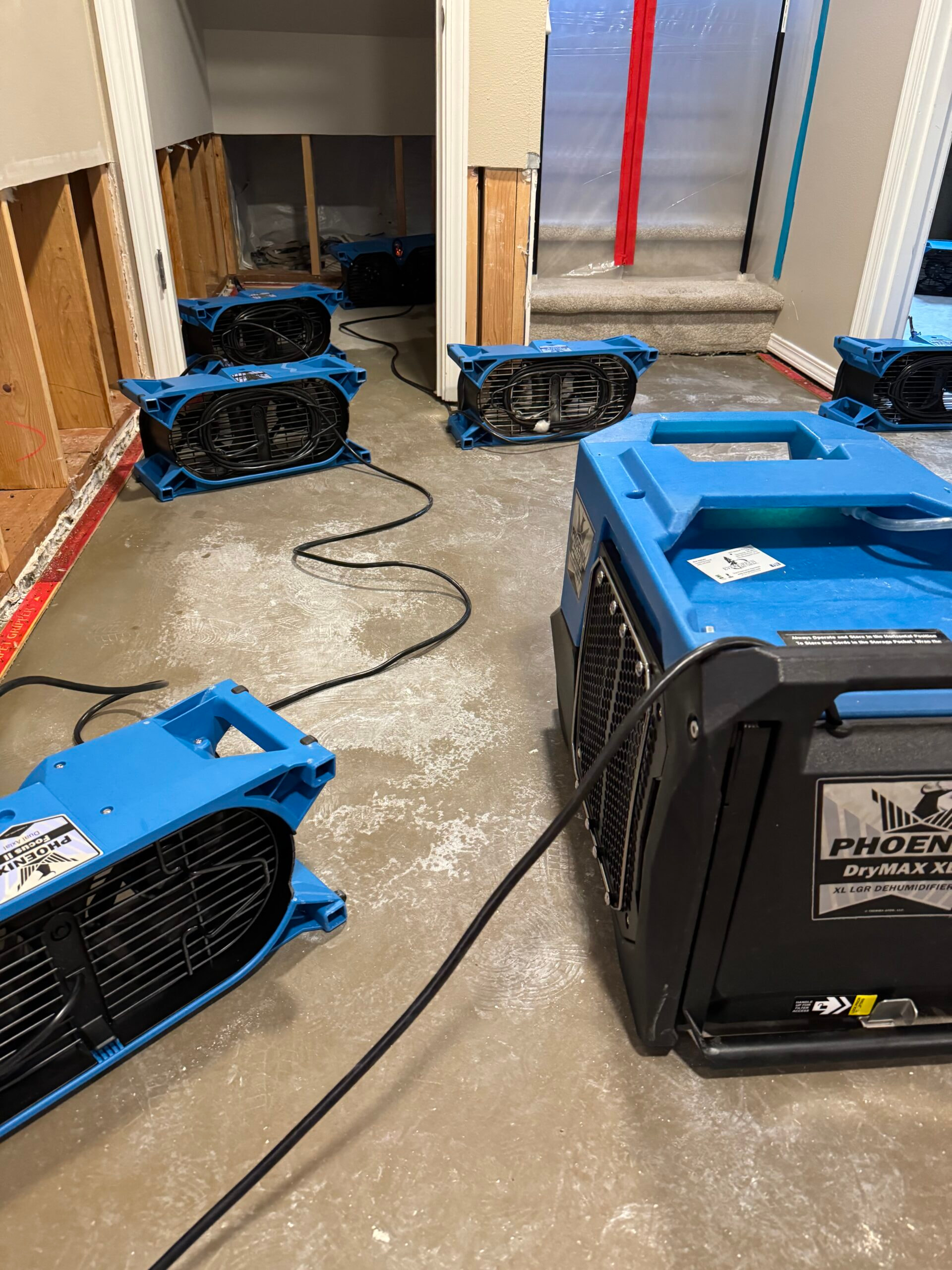
Active drying often takes 3–5 days, depending on the materials affected and moisture conditions. Sewage cleanup projects may take longer, depending on the extent of contamination and necessary repairs. Encore documents moisture readings and photo evidence throughout the drying process. Contaminated materials that cannot be safely cleaned may need to be removed to help remediate the affected area and protect your home from ongoing damage. A thorough cleanup also helps address contamination before repairs begin.