
Homeowner Guides
What Happens If You Wait Too Long to Fix Water Damage?
Learn how delaying water damage repair can affect drying, mold risk, belongings, reconstruction, and insurance questions in Washington.
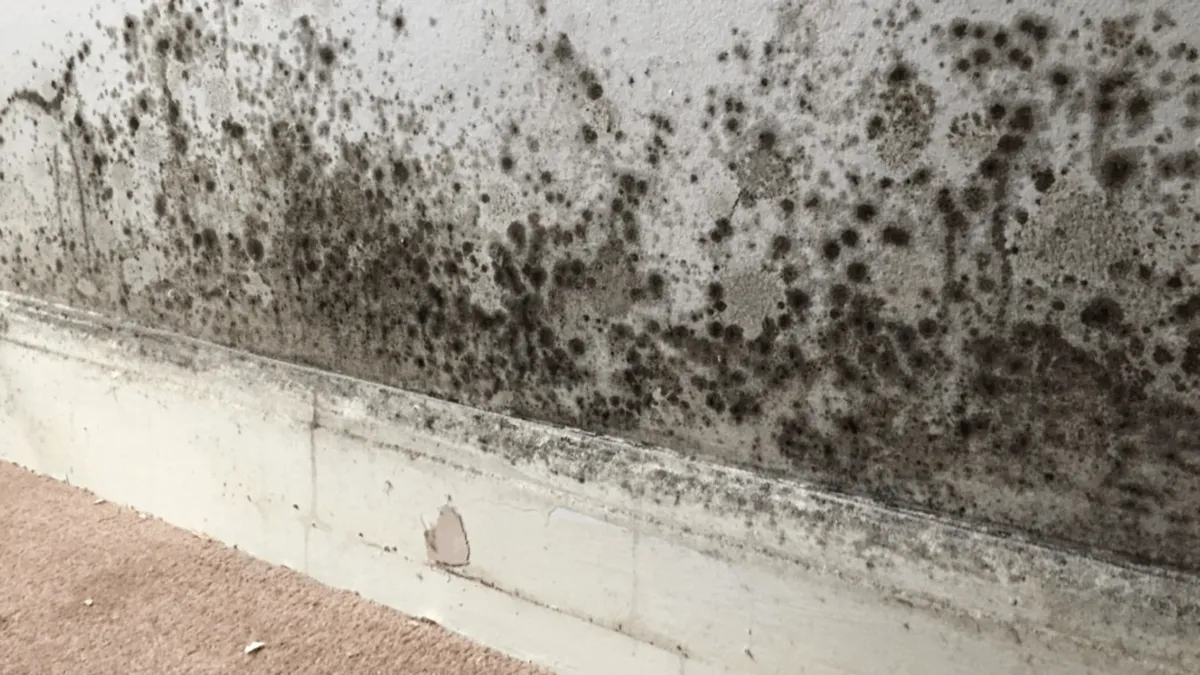
Two weeks is the delay we see sometimes. Someone notices a slow leak under the sink, decides to deal with it later, and calls us fourteen days after that. By then there may be rot under the cabinet. Delayed reporting and ongoing leakage can also complicate insurance coverage; the insurer decides what is covered under the particular policy.
Our owners estimate that about 70% of our work involves water damage. I wrote this guide for the homeowner who has a damp wall or a stained ceiling right now and is trying to decide whether it can sit until the weekend. It walks through what the water can do as a delay continues and how the repair scope can change. It also covers what you can still do if the clock has already been running.
Quick Takeaways:
- Triple-I reports an average water damage or freezing claim of $15,400 for 2019–2023. This national insurance statistic is not a repair estimate for your home.
- Our owners estimate that about 95% of our jobs involve an insurance claim. Coverage depends on the policy; our initial inspection is free for water, mold, fire, or biohazard damage.
- Ask a plumber to inspect aging or brittle supply pipes, including CPVC where present. A home’s construction year alone does not establish pipe material or condition.
The Delay Timeline at a Glance
A delay can increase damage and the repair scope. The timeline below describes possible developments, not a fixed schedule: water source, contamination, temperature, materials, and drying conditions all matter.
Time since the water started | What is happening | What the job becomes |
|---|---|---|
First hours | Water moves into subfloors and wall cavities | Extraction, moisture assessment, and drying; salvage depends on condition and contamination |
24 to 48 hours | Mold can begin to form on wet surfaces | Cleaning and material-specific assessment; some porous materials may need removal |
3 to 7 days | Drywall sags, flooring lifts, cabinets swell | Assess swelling, contamination, and hidden moisture; remove materials that cannot be restored |
2 weeks and beyond | Persistent moisture can create conditions for wood decay | May require mold remediation, structural assessment, and reconstruction |
1. The First Hours: Water Travels Farther Than You Can See
A puddle on the kitchen floor is the visible fraction of the problem. Water can quickly seep through seams in the flooring and into the layers below. From there, water can travel along framing and pipes to rooms that look untouched. We often find hidden water behind walls and beneath flooring well away from the source of the water, and in a two-story house it shows up as a stain on the ceiling downstairs. Building materials do the rest. Drywall and insulation absorb moisture like a sponge and hold it against the wood behind them.
Your part in this stage is short. Shut off the water at the fixture or the main valve, which is usually in the garage or out by the street. If you can’t identify the source, call us and we will help over the phone. Stay clear of standing water near outlets, because electrical hazards are the one thing in this guide that can hurt you in seconds. Then document the damage with photos before you move anything.
Most of these calls are accidental water damage, such as a supply line that fails or an appliance hose that lets go. A tub left running does the same. Heavy rain is the other route, and water intrusion from outside follows the same path once it is in the house.
2. Hours 24 to 48: The Mold Clock Starts
The EPA advises drying water-damaged areas and items within 24 to 48 hours to help prevent mold growth. This is a prevention target, not a guarantee: mold can develop earlier, and it does not always appear after 48 hours. Conditions and materials affect the risk. EPA material guidance.
A wet wall in a Western Washington winter offers ideal conditions for mold growth. It has moisture and a paper-faced surface to feed on, with still air around both. Indoor air quality is the first thing your family notices. Molds produce allergens and irritants, and they can trigger asthma attacks in people who are allergic to them. Our state health department is blunter and calls all mold growing indoors a health concern.
To help prevent mold, stop the moisture source and start safe drying promptly. A fan pointed at a wall may not reach trapped moisture inside it. A professional can assess whether opening the wall is necessary and whether the water is contaminated before selecting drying equipment.
3. After 48 Hours: What Gets Thrown Away
After 48 hours, materials need a closer assessment; the deadline does not mean everything must be discarded. EPA guidance distinguishes materials and contamination levels. Porous items that cannot be cleaned and dried may need removal. The table summarizes considerations for clean-water damage; contaminated water requires a different response. EPA material guidance.
Material | EPA guidance if you respond within 24 to 48 hours | Once that window has closed |
|---|---|---|
Carpet and pad | Extract the water, lower the humidity, and keep air moving | Assess contamination and drying progress; remove carpet or padding that cannot be cleaned and dried |
Ceiling tiles | Discard and replace | Discard damaged tiles; assess how far moisture has spread |
Insulation, cellulose or fiberglass | Discard and replace | Discard affected insulation; access requirements depend on the assembly |
Drywall | May stay if there is no swelling and the seams are intact. Otherwise remove and replace | Remove drywall that is swollen, contaminated, moldy, or cannot be dried adequately |
Vinyl, linoleum, and tile flooring | Wipe clean and check that the layer underneath is not holding water | Check the surface and the layers underneath; salvage is not automatic |
Hardwood and other wood surfaces | Remove moisture right away with air movement and gentle heat | Assess cupping, swelling, and trapped moisture to decide whether restoration is feasible |
Upholstered furniture | Extract the water. The EPA warns it is hard to finish inside 48 hours | Consult a restoration specialist; salvage depends on condition and contamination |
Concrete and block | Extract the water and run equipment | Assess moisture and contamination; drying time depends on the construction |
Two footnotes in that table deserve a homeowner’s attention. The first says mold may already have started even when materials were handled inside 48 hours, so the window is a guideline and not a guarantee. The second limits the whole table to clean water.
A delay can make drywall, flooring, and cabinet bases harder to save. Removal decisions and cut heights depend on moisture readings, contamination, and the condition of the assembly, rather than a universal day-three rule. Swollen cabinet boxes may need replacement. If demolition is required, our crew sets up containment, and furniture may need to move first. On one job, three or four of our guys spent two full days emptying a packed kitchen before the work could begin.
More demolition can lengthen a project. Drying equipment often runs for three to five days, but layered materials and complex losses can take longer. Insurance review, reconstruction scope, permits, and material availability affect the next stages. Special-order cabinets may add months. Every wall removed during mitigation also becomes part of the reconstruction scope.
4. Two Weeks and Beyond: Rot, Structure, and the Insurance Problem
Wood decay is linked to sustained moisture, suitable temperatures, and decay fungi. Keeping wood dry reduces the risk. A wall that stays soaked can keep framing damp, so a professional should assess moisture levels and any deterioration instead of relying on a fixed two-week threshold.
The speed of deterioration varies with conditions and materials. Persistent wetting can damage finishes and eventually structural wood. If inspection reveals deterioration, the repair scope may include joists, wall plates, or other structural materials; engineering input may be needed.
The insurance questions can become more complicated as a delay continues. Policies may exclude long-term leakage, neglect, or certain mold damage, but wording and coverage differ. Notify your insurer promptly under your policy and report when you discovered the damage without guessing how long the leak had been running. If mold remediation is needed, containment and air filtration may become a separate part of the scope.
5. If You Are Already Late: What Professional Intervention Looks Like
Our project manager, usually Matt or Andrew, starts with a free visit. He uses advanced moisture detection tools, including moisture meters, to map hidden moisture and compare moisture levels in wet rooms against rooms the water never reached. Ask to see those readings yourself. He also separates what the original event damaged from what the delay added. That distinction is the core of your insurance file, and our in-house team documents both with photos and readings.
Moisture trapped inside walls will not leave on its own, and neither will water trapped inside materials like gypcrete. The crew removes the damaged materials, then sets air movers and a dehumidifier for proper drying. The equipment stays until the readings match the dry parts of the house. Professional water damage restoration does not end when the fans leave. Our own crews handle the rebuild, so the water damage repair is finished by the same company that started it.
How to Stop the Next One
Minimizing damage next time comes down to habits that take minutes. These are the ones that would have prevented most of the calls we take:
- Find your main shutoff before you need it. It is usually in the garage or out by the street. Knowing where it is can help prevent water from spreading beyond the first room.
- Have shutoff valves checked regularly, including the small valves under sinks and toilets. Do not force a stuck valve; ask a plumber to inspect valves that stick or leak.
- Look at the supply lines on your water heater and dishwasher. Those two cause more of our calls than anything except failed pipes.
- Leave plumbing swaps to a plumber. A do-it-yourself faucet install is one of the regular causes we see.
- Fix small problems the week you find them. Prompt water damage repair after a small event keeps a second problem from stacking on the first.
Call Encore Before the Damage Spreads
When water damage strikes, prompt action can limit further damage. Stop the source if it is safe, arrange an assessment, and notify your insurer as your policy requires. Damage may spread through materials that stay wet, but the rate and extent vary.
Encore Construction answers 24/7 across Skagit, Snohomish, King, Whatcom, and Island counties. We are family-owned and not a franchise, and our crews do the drying and the rebuild in-house. If there is water damage in your home today, or there was two weeks ago, call us for a free inspection. We will tell you where things stand and what it takes to protect your home. Then our professional restoration crews will restore your home from the first cut to the last coat of paint.
FAQ
Do I need a mold test before the work starts?
Usually not. One Washington county health agency says that identifying the type of mold or measuring how much is in the air is not very useful for judging harm. What matters is removing the dampness that lets it grow.
How do I choose a mold contractor in Washington?
Check the contractor’s current registration with Washington L&I, ask about relevant training, and request evidence of insurance. Encore’s registration identifier is ENCORCL857K6; confirm the current record and coverage before authorizing work.
Are outlets and wiring safe once they have dried?
Don’t assume so. Water-exposed electrical equipment can be hazardous even after it looks dry. Have a qualified electrician evaluate affected wiring, outlets, and equipment before re-energizing them; replacement may be necessary.
What humidity should my house be at after the job is done?
The EPA recommends keeping indoor relative humidity below 60%, ideally between 30% and 50%. A basic hygrometer can help you monitor it; ask your restoration professional about conditions in your home. EPA moisture guidance.
What happens to my furniture during a long repair?
We pack it and move it to our 13,000-square-foot warehouse in Arlington. It stays there until the rebuild is finished, and then we bring it back.
What if I have no insurance and the damage has already grown?
Tell us at the first visit. We take 20% off for customers who pay on their own, and the inspection is free either way.